
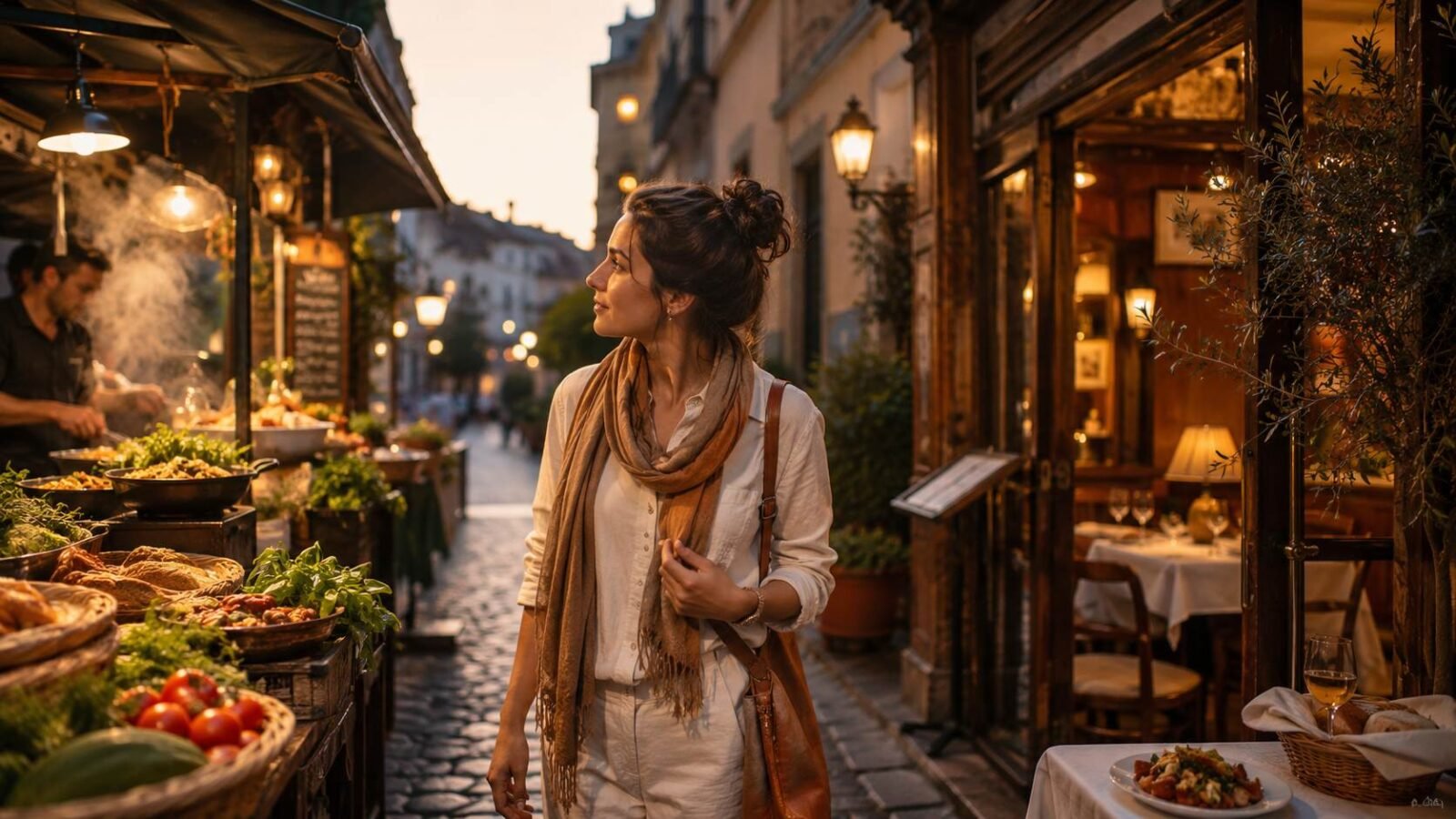
Street Food or Traditional Restaurant: Which Should You Choose When Traveling?
Introduction
Food is one of the most memorable parts of any trip. It helps travelers discover a culture, understand local habits, and connect with a destination in a deeply sensory way. But one question often comes up during a culinary journey: should you choose street food or a traditional restaurant?
Street food attracts travelers with its energy, affordability, and direct connection to everyday local life. A traditional restaurant, on the other hand, offers more comfort, a slower pace, table service, and often a deeper presentation of regional dishes.
The right choice depends on your travel style, budget, comfort level, curiosity, and the type of experience you want at that specific moment. In reality, street food and traditional restaurants should not be seen as rivals. They can work beautifully together to create a richer and more balanced food travel experience.
Why this topic matters
Choosing between street food and a traditional restaurant can shape the way you experience a destination. It affects not only what you eat, but also how you interact with local culture.
Street food often reveals the everyday rhythm of a city. It is fast, lively, accessible, and close to the people who live there. It allows travelers to taste popular dishes in their most direct form, often prepared by vendors who specialize in one recipe or technique.
Traditional restaurants offer another kind of value. They provide time, comfort, service, and a more structured meal. They are ideal for discovering regional recipes, family-style dishes, local wines, traditional desserts, or multi-course meals in a more relaxed setting.
This choice also matters for practical reasons: hygiene, budget, time, dietary preferences, atmosphere, and personal comfort. Knowing when to choose each option helps travelers avoid disappointment and enjoy food more confidently.
Understanding the topic
Street food refers to ready-to-eat food and drinks sold in public spaces, markets, food stalls, kiosks, carts, or small casual stands. It is usually quick, affordable, and closely linked to local daily life.
Street food can include grilled skewers, tacos, dumplings, noodles, soups, pancakes, sandwiches, fried snacks, fresh fruit, pastries, or local drinks. In many countries, it is not just a convenient meal. It is a central part of the culinary identity.
A traditional restaurant provides a more settled dining experience. It usually includes seating, table service, a menu, a specific atmosphere, and a more complete meal structure. Depending on the place, the food can be rustic, family-style, regional, refined, or simple and comforting.
The main difference is the experience. With street food, travelers are immersed in the movement of the destination. They watch the food being prepared, smell the ingredients, follow the crowd, and eat in a lively environment. In a traditional restaurant, the pace slows down. Travelers can sit, ask questions, share dishes, and enjoy a more comfortable moment.
Practical tips
To choose between street food and a traditional restaurant, start by asking what kind of experience you want. For something quick, local, affordable, and spontaneous, street food is often the best choice. For a slower, more comfortable, and more complete meal, a traditional restaurant may be better.
When choosing street food, observe the crowd. A busy stall popular with locals is often a good sign. High turnover usually means fresher ingredients and a recipe people trust.
Look for food prepared in front of you and served hot. Pay attention to cleanliness, how ingredients are stored, how the vendor handles food, and whether the stall looks well organized. Your senses are useful: fresh smells, active cooking, and clean preparation areas are reassuring signs.
For traditional restaurants, study the menu. A shorter menu focused on local dishes and seasonal ingredients is often more promising than a very long menu designed mainly for tourists.
A smart strategy is to combine both. Try street food during the day while exploring a market, a neighborhood, or a busy square. Then choose a traditional restaurant in the evening when you want to slow down and enjoy a fuller meal.
Mistakes to avoid
One common mistake is assuming that street food is automatically lower quality or less safe than restaurant food. In many destinations, some of the best and most authentic dishes are found at street stalls run by experienced vendors.
Another mistake is believing that every traditional restaurant is authentic. Some restaurants in tourist-heavy areas serve standardized food that is adapted for visitors rather than rooted in local tradition.
It is also risky to choose only based on price. Street food is usually cheaper, but a traditional restaurant can offer more than just food: comfort, explanations, atmosphere, service, and a wider view of the local cuisine.
Travelers should also avoid trying too much too quickly. When discovering unfamiliar flavors, spices, fried foods, or raw ingredients, it is better to start gradually and listen to your body.
Finally, do not rely only on the most visible places. The best food experiences are sometimes found in a side street, a local market, a small family restaurant, or a modest stall recommended by residents.
Concrete example
Imagine a traveler visiting Bangkok. At lunchtime, they walk through a busy market and stop at a stall where noodles are cooked quickly in a hot wok. Fresh herbs, fragrant sauce, vegetables, and spices come together in just a few minutes. The traveler eats at a small table surrounded by locals. The experience is fast, vivid, flavorful, and deeply connected to the rhythm of the city.
In the evening, the same traveler chooses a traditional Thai restaurant. They sit down, take time to read the menu, order several dishes to share, and discover the balance of sweet, salty, sour, and spicy flavors. A server explains some regional specialties and helps adjust the spice level.
In this example, street food and the traditional restaurant do not compete. They reveal two complementary sides of the same food culture. Street food shows the energy of daily life, while the restaurant offers context, comfort, and a fuller understanding of the cuisine.
Conclusion
So, street food or traditional restaurant: which should you choose? Most of the time, the best answer is both. Street food is ideal for spontaneous, affordable, and highly local experiences. Traditional restaurants are better for comfortable meals, complex dishes, relaxed conversations, and deeper culinary discovery.
The right choice depends on the destination, your schedule, your appetite, your budget, and your comfort level. By alternating between the two, travelers can experience a place in a more complete, authentic, and memorable way.
Call to action
On your next trip, do not limit your food experience to only one style of dining. Taste a popular dish from a street stall, then book a table at a traditional restaurant. Compare the atmosphere, the flavors, the service, and the encounters. The most unforgettable travel memories often come from this variety.