

What Is Gastronomic Tourism? Exploring Destinations Through Food, Culture, and Local Traditions
Introduction
Gastronomic tourism is a way of traveling that places food, local products, culinary traditions, and shared dining experiences at the center of the journey. It is not only about eating in excellent restaurants. It is about discovering a destination through what it grows, cooks, preserves, and shares.
A traditional dish, a local market, a tasting with a producer, or a cooking class can reveal as much about a place as a museum, monument, or landscape. Food carries history, identity, geography, family memory, and cultural pride.
Modern travelers increasingly look for authentic and meaningful experiences. They want to understand the places they visit, meet local people, taste regional specialties, and return home with memories that feel personal. Gastronomic tourism answers this desire beautifully. It transforms a meal into a cultural, sensory, and human experience.
Whether someone travels to Italy to learn how to make fresh pasta, to Japan to understand the craft of sushi, to Belgium to taste artisan chocolate, or to France to visit vineyards, food tourism creates a deeper connection with a destination.
Why this topic matters
Gastronomic tourism matters because it helps preserve and celebrate local cultures. Every region has its own recipes, ingredients, techniques, rituals, and food stories. Behind a cheese, a spice blend, a wine, a loaf of bread, or a sauce, there is often a history shaped by families, farmers, climate, religion, trade, or migration.
It also supports local economies. When travelers choose independent restaurants, farmers’ markets, small producers, food artisans, wineries, farms, and family-run businesses, they contribute directly to the community they are visiting. This type of tourism encourages shorter supply chains, traditional craftsmanship, and regional identity.
Gastronomic tourism also plays a role in protecting intangible cultural heritage. Some old recipes, fermentation methods, baking techniques, harvest rituals, or ways of preparing food could disappear if they were no longer practiced or transmitted. By giving value and visibility to these traditions, food tourism helps keep them alive.
Finally, food is one of the most universal forms of communication. Sharing a meal can create trust, curiosity, and connection. A conversation around a table often reveals more about a culture than a standard sightseeing tour.
Understanding the topic
Gastronomic tourism, also known as culinary tourism or food tourism, refers to travel experiences focused on discovering the food, drinks, ingredients, culinary traditions, and food-related culture of a destination.
It can take many forms. It may include visiting a local market with a chef, joining a wine tasting, exploring street food, taking a cooking class, visiting a farm, discovering artisan products, attending a food festival, or planning an entire trip around the cuisine of a specific region.
What makes gastronomic tourism different from simply eating during a trip is intention. The traveler is not only looking for a meal. They want to learn, taste, understand, meet people, and experience the culture behind the food. They may ask where the ingredients come from, how a dish is prepared, why it matters locally, and who keeps the tradition alive.
For example, eating paella in Valencia can become a full gastronomic experience if the traveler visits the local market, learns about the rice used in the dish, understands its cultural importance, and observes the traditional preparation process.
Gastronomic tourism can be luxurious, with Michelin-starred restaurants, private tastings, fine wine pairings, and exclusive culinary tours. But it can also be simple and deeply authentic: tasting street food, speaking with a baker, buying spices at a market, or joining a village celebration built around a seasonal product.
Practical tips
To enjoy gastronomic tourism fully, it is best to travel with curiosity and an open mind. Before departure, learn about the region’s signature dishes, seasonal ingredients, traditional drinks, markets, and food customs.
Choose authentic places whenever possible. A small family restaurant, a local inn, a farmers’ market, or a producer’s workshop may offer a more memorable experience than a highly standardized tourist venue.
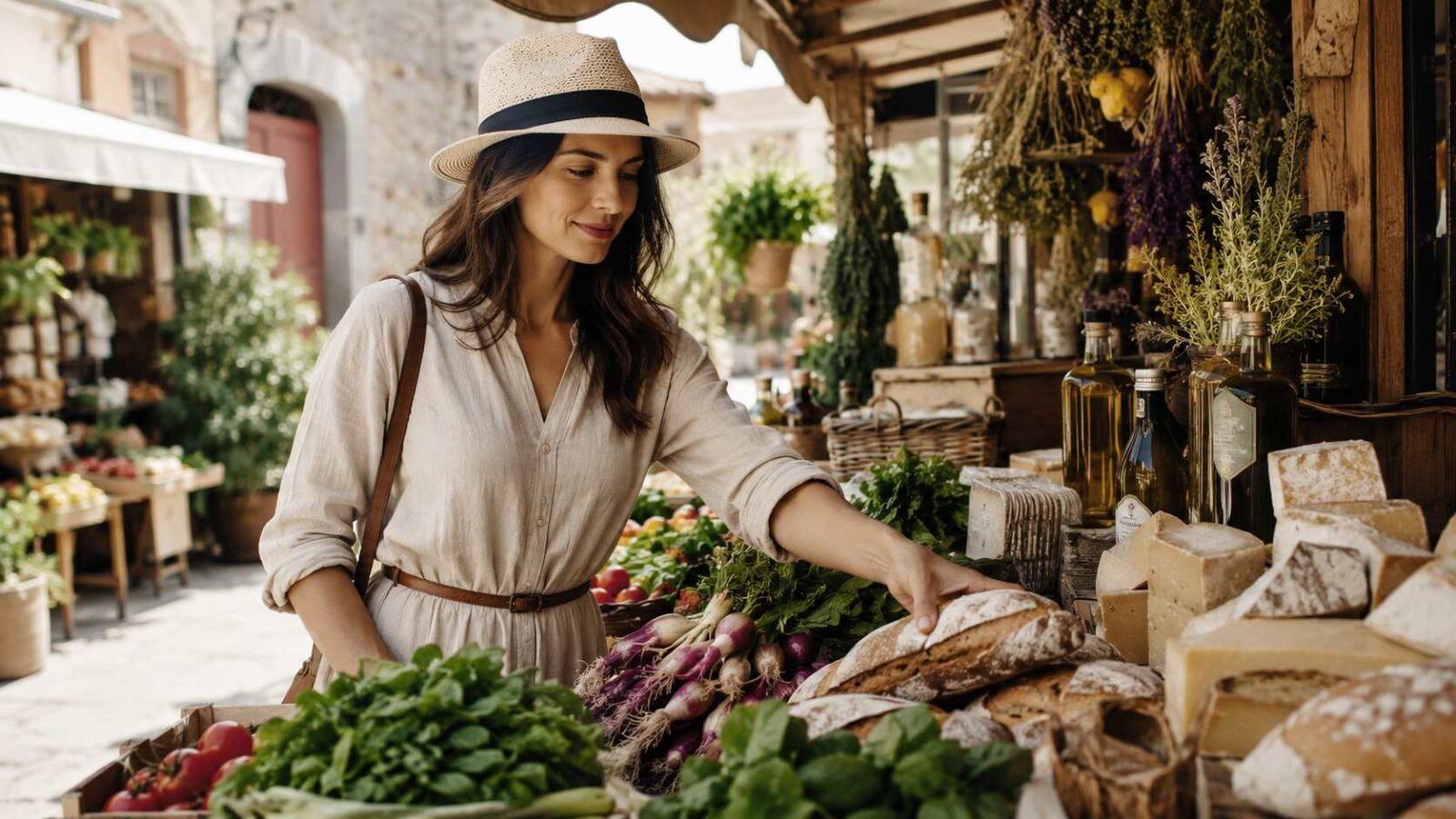
Markets are often one of the best starting points. They show how locals shop, what ingredients define the region, and which products are in season. They also create opportunities to speak with vendors, producers, and sometimes chefs.
Taking a cooking class is another excellent way to experience food culture. Preparing a traditional recipe with a local person gives travelers a practical memory they can bring home and recreate later.
It is also important to respect local customs. Many cultures have specific rituals around serving, eating, sharing, or celebrating food. Observing these traditions respectfully makes the experience richer and more meaningful.
Travelers should also leave room for spontaneity. Some of the best food discoveries happen unexpectedly: a small bakery on a side street, a recommendation from a resident, a seasonal dish on a handwritten menu, or a local festival that was not part of the original plan.
Mistakes to avoid
One common mistake is thinking that gastronomic tourism is only about famous restaurants. Fine dining can be extraordinary, but the culinary soul of a place is also found in markets, farms, bakeries, cafés, food stalls, home kitchens, and small neighborhood restaurants.
Another mistake is seeking only familiar flavors. Food tourism requires openness. Travelers should be ready to try new ingredients, textures, cooking methods, and flavor combinations. A dish that seems surprising at first may become memorable once its story is understood.
It is also important not to judge a local cuisine too quickly through the lens of one’s own habits. Food is shaped by climate, history, religion, availability, and social customs. Understanding the context often changes the way a dish is perceived.
Travelers should be cautious with overly artificial experiences. Some tourist-oriented activities present a simplified or staged version of local gastronomy. These can still be enjoyable, but it is worth balancing them with more direct, sincere, and locally rooted experiences.
Ignoring seasonality is another frequent mistake. Many traditional foods are closely linked to the time of year. Eating a product in its proper season usually means better flavor, stronger authenticity, and a lower environmental impact.
Concrete example
Imagine a traveler visiting Provence in southern France. A standard trip might include picturesque villages, landscapes, and restaurant meals. But through gastronomic tourism, the journey becomes much deeper.
The traveler begins the morning at a Provençal market. There, they discover olives, aromatic herbs, goat cheese, ripe fruit, sun-grown vegetables, lavender honey, and local olive oils. They speak with producers and begin to understand how the Mediterranean climate shapes the region’s cuisine.
Later, they visit an olive mill for a tasting. They learn how to recognize aromas, understand extraction methods, and compare different varieties. Then they join a cooking workshop to prepare a traditional ratatouille or tapenade.
In the evening, they dine at a local inn where the ingredients come from nearby farms. Each dish becomes a way to understand the land, the season, the producers, and the culture of sharing.
This traveler does not return home only with photographs. They return with flavors, scents, gestures, recipes, and stories. That is the true strength of gastronomic tourism.
Conclusion
Gastronomic tourism is an invitation to travel differently. It allows visitors to discover a destination through its flavors, products, traditions, and people. More than a pleasant food experience, it becomes a complete cultural journey.
It supports local communities, protects culinary heritage, values producers, and creates lasting memories. Whether someone loves fine dining, local markets, traditional recipes, or simple authentic meals, food tourism offers one of the most human ways to explore the world.
To travel through food is to taste, learn, connect, and understand.
Call to action
On your next trip, go beyond the main tourist attractions. Visit a market, taste a local specialty, speak with an artisan, book a cooking class, or choose a restaurant that truly reflects its region. Your journey will become richer, more personal, and far more memorable.